Playing a game, watching someone else play it, and competing in it are three different hobbies that happen to share a screen, and most of what confuses people about gaming as a pastime comes from mixing them up. A video game is an electronic game in which a user interacts with images or simulated environments generated by a computer or similar device, displayed on a screen and controlled through input devices such as controllers, keyboards, or touch interfaces — that definition covers everything from a phone puzzle to a stadium final, which is exactly why "gaming" as a phrase tells you almost nothing. What follows separates the experiences, explains what each one actually demands of you, and marks where the costs and dead ends are.
The three experiences and what separates them
Playing, spectating, and competing are distinct because each one asks for a different input from you: skill and time, attention, or coordination under pressure. Playing is you against the game's systems. Spectating is you against the clock of someone else's session — you can drop in and out, and nothing is at stake for you. Competing, which is what esports means — organized competitive video gaming, typically played in leagues or tournaments with structured rules, teams or individual players, and often professional-level prizes and sponsorships — is you against other people inside a rule set that someone else enforces.
The distinction matters because the skills barely transfer. Someone who has finished a long single-player campaign has logged hundreds of hours of pattern recognition against predictable systems. Put them in a ranked ladder and the first thing they discover is that human opponents do not repeat. Conversely, a strong competitive player often has a thin tolerance for narrative games, because the reward loop is slower and the feedback is softer. Knowing which of the three you actually want saves you money and, more importantly, saves you from buying the wrong thing and concluding you don't like games.
Spectating has its own logic. Twitch, a live-streaming platform focused primarily on video game and esports content, where users can broadcast gameplay, watch other players' streams, and participate in real-time chat and community features, turned watching into a participatory activity — the chat is half the product. That is a genuinely different experience from watching an edited video or a broadcast final, and it is why some people spend more evenings in a stream than in a game.
What you actually need to start, and what it costs
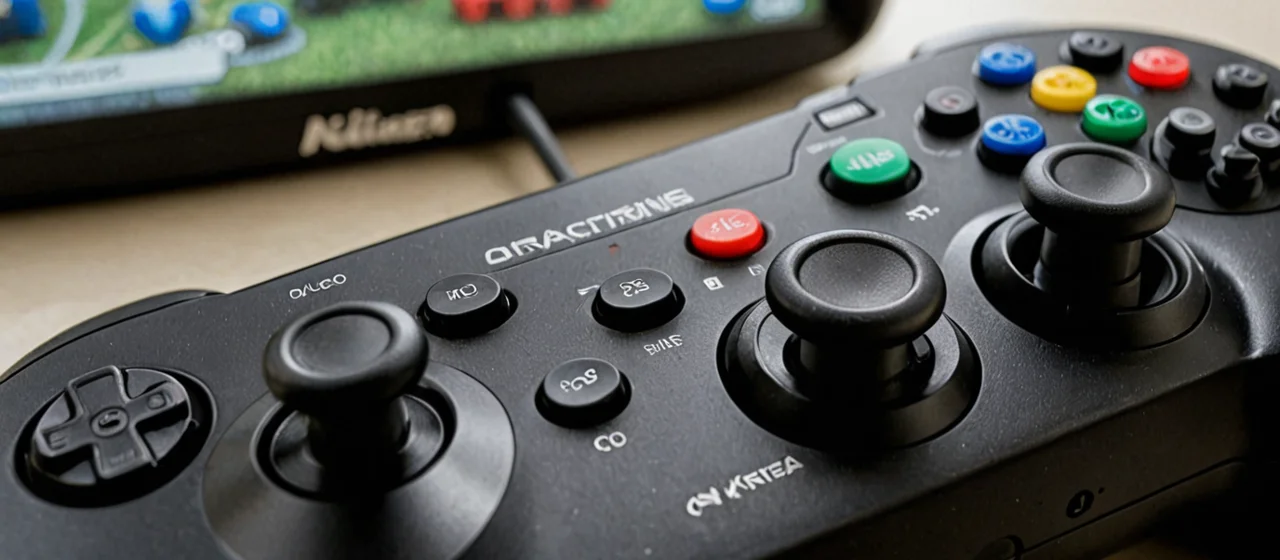
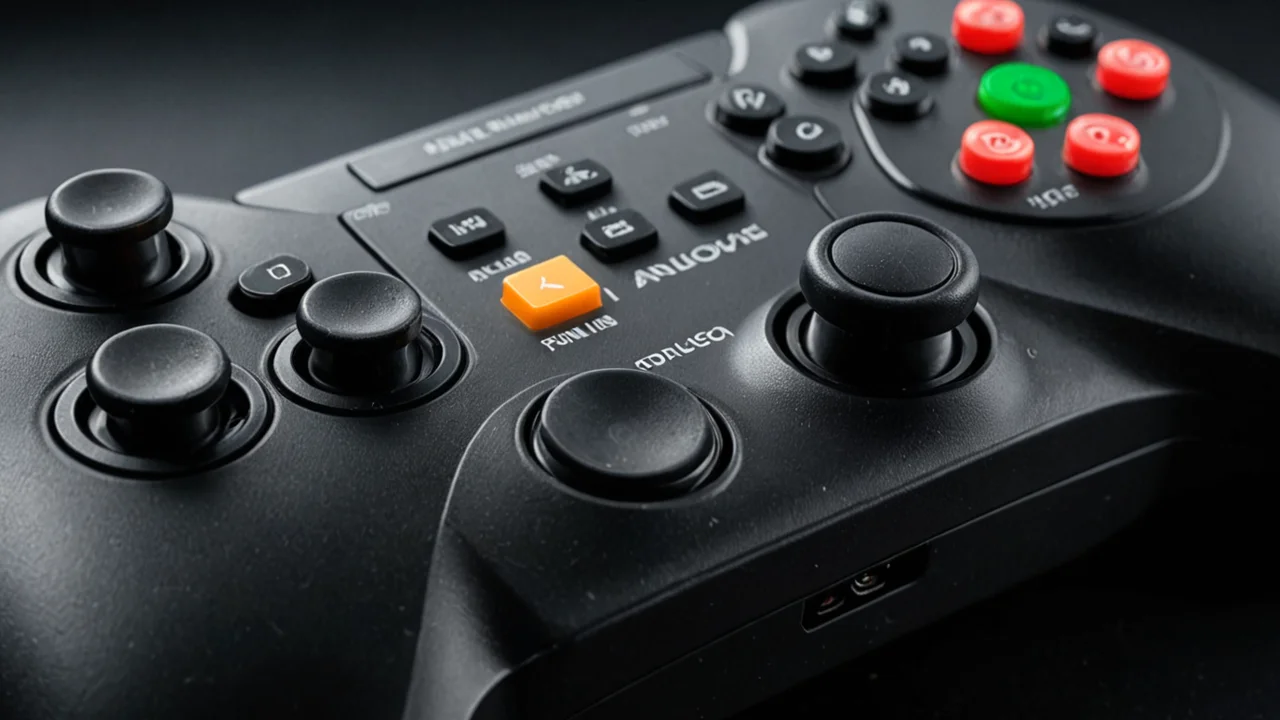
Start with the platform you already own. The single biggest mistake newcomers make is buying hardware before they know what they want to play, and the second biggest is assuming the expensive option is the better one. A controller, a keyboard, or a touchscreen all satisfy the definition of a video game interface; none of them is more legitimate than the others. The game you want to play tells you what to buy, not the reverse.
What each path actually costs you, in the order you will feel it:
- Money. The entry cost is the machine plus the game. Consoles are the cheapest route to a fixed, predictable experience because the hardware is standardized — a game that runs on the box runs on the box. A PC costs more up front and then keeps costing, because someone has to decide every few years whether the machine still meets the requirements of what they want to play.
- Time to competence. Single-player games are designed to be finished. Competitive games are designed to be never finished, and the ladder will keep matching you against people who are slightly better for as long as you keep queueing. That is the point, and it is also the trap.
- Attention. Streaming, whether watching or broadcasting, is a background activity for most people and a foreground one for a few. Broadcasting in particular needs you to be present and talking, which is a performance, not a session.
The honest trade-off: a PC gives you the widest range of experiences and the most friction. A console gives you the least friction and the narrowest range. A phone gives you the cheapest entry and the most compromised controls for anything that needs precision. None of those is wrong; they just cost different things.
Playing: single-player, multiplayer, and the size of the commitment
Single-player games are the best value per hour for most adults, because they respect a stop button. You can play for forty minutes, put it down, and come back a fortnight later without having lost ground. The design goal is your completion, so the difficulty curve bends toward you, and the game will usually tell you what to do next. If you have limited time and want the experience of gaming without the obligation, this is the category to buy in.
Multiplayer changes the contract. The game no longer bends toward you; it matches you against people at your level and then slowly raises the bar as you improve. That produces a much stronger sense of progress and a much weaker sense of closure. It also introduces other people, which is the good part and the bad part. A cooperative game with friends is one of the cheapest social experiences available — you are in a shared activity with a built-in topic of conversation. A competitive game with strangers is a test of temper, and the temper is usually the thing that breaks first.
There is a historical point worth holding onto here. Tennis for Two, a 1958 electronic tennis game created by physicist William Higinbotham at Brookhaven National Laboratory, is widely cited by academic and historical sources as one of the first video games designed purely for public entertainment, and it was shown on an oscilloscope screen — the original display measured 5 inches across. The whole genre of "two people, one screen, a simple rule" is older than the industry, and it remains the most reliable way to have a good time with someone in the same room. If you are trying to get a partner or a child into games, a local multiplayer game on a shared screen will do more than any recommendation list.
Where multiplayer goes wrong: matchmaking systems are designed to keep you near a 50% win rate, which means losing half your games is the intended state, not a sign you are bad. People who cannot accept that will find competitive multiplayer miserable and should stay in cooperative modes. That is not a character failing; it is a mismatch between the design and the player.
Watching: streams, esports, and what spectating is for
Spectating is the lowest-cost way into any game, and it is genuinely useful for three things: deciding whether a game looks interesting before you buy it, learning how a game is actually played at a level above yours, and having something on in the background that is more engaging than television. On Twitch the chat turns it into a room rather than a broadcast, and the best streams are the ones where the streamer is worth listening to independent of the game.
Esports is the structured end of the same activity. Because it is organized competitive video gaming with leagues, tournaments, structured rules, teams or individual players, and often professional-level prizes and sponsorships, it rewards a different kind of watching: you need to know the rules to follow the play, and the rules are usually more intricate than they look from outside. The payoff is that once you understand a game's objective and its economy — how teams accumulate advantage — a match becomes legible and the tension is real. Before that point it looks like noise.
Broadcasting your own stream is a separate decision with its own rules. The minimum age to have a Twitch account and stream is 13 years, but the age is the floor, not the test. The real questions are whether you can be watched by strangers without it affecting you, whether you have a reason for anyone to watch (skill, personality, or a specific game niche), and whether you are comfortable with the fact that the archive outlives the stream. Most first streams are watched by nobody, which is both discouraging and a useful rehearsal. The cost of streaming is not equipment; it is the obligation to be entertaining on a schedule.
Competing: what organized play demands and when to avoid it
Competitive play is worth doing if you enjoy the process of getting measurably better at one thing, and it is worth avoiding if you need to win to have fun. That sounds like a platitude until you watch someone grind a ladder for a season and come out of it worse-tempered than they went in. The structure of ranked play — persistent rating, seasonal resets, teammates who depend on you — is designed to produce engagement, and engagement is not the same as enjoyment.
If you do want to compete, the sequence that works is: pick one game, learn its rules properly before you learn its tricks, play a fixed number of matches rather than an open-ended session, and review what went wrong rather than replaying until you get a win. The last point is the one people skip, and it is the only one that produces improvement. A session that ends on a loss you understood is worth more than a session that ends on a win you cannot explain.
Organized competition above the casual level — leagues, tournaments, team play — adds scheduling and other people's expectations. That is the point at which a hobby acquires obligations, and it is worth being clear-eyed about the trade. The prizes and sponsorships at the top of esports are real, but the number of people who reach them is tiny, and the hours required to find out whether you are one of them are the same hours you would spend on anything else. Compete because the practice is satisfying, not because the outcome is likely.
Building a setup that matches how you actually play
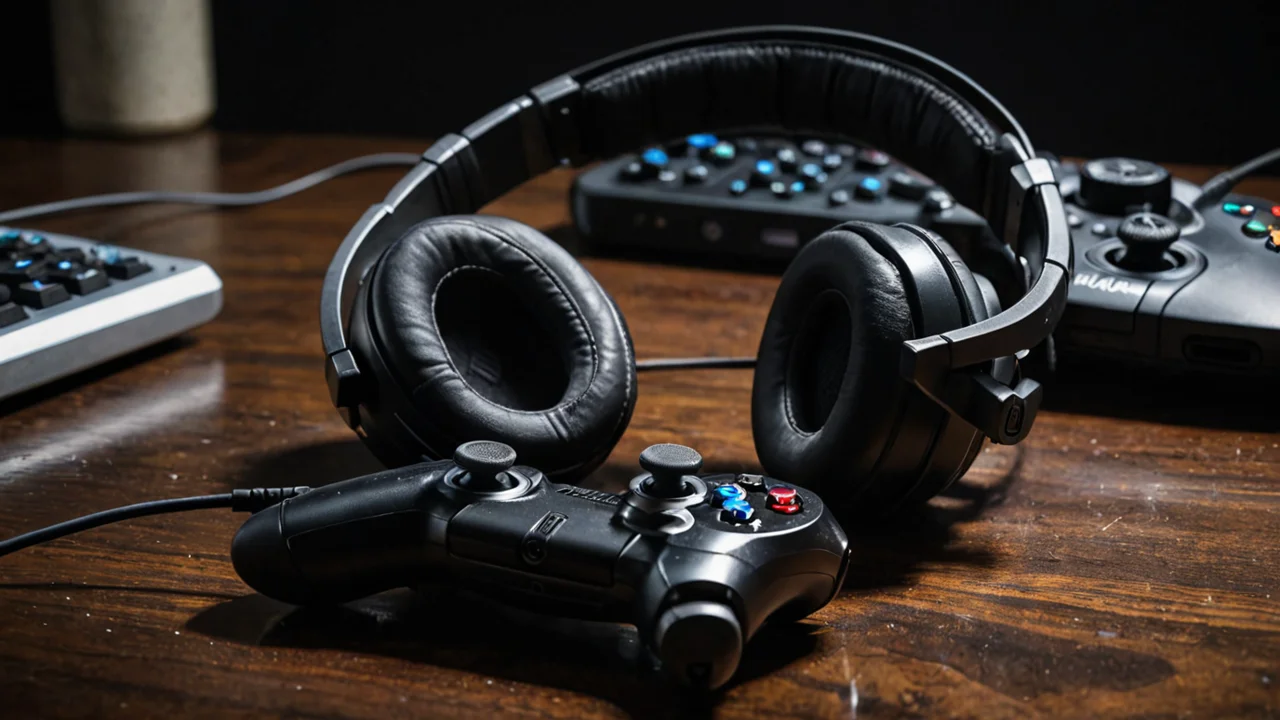
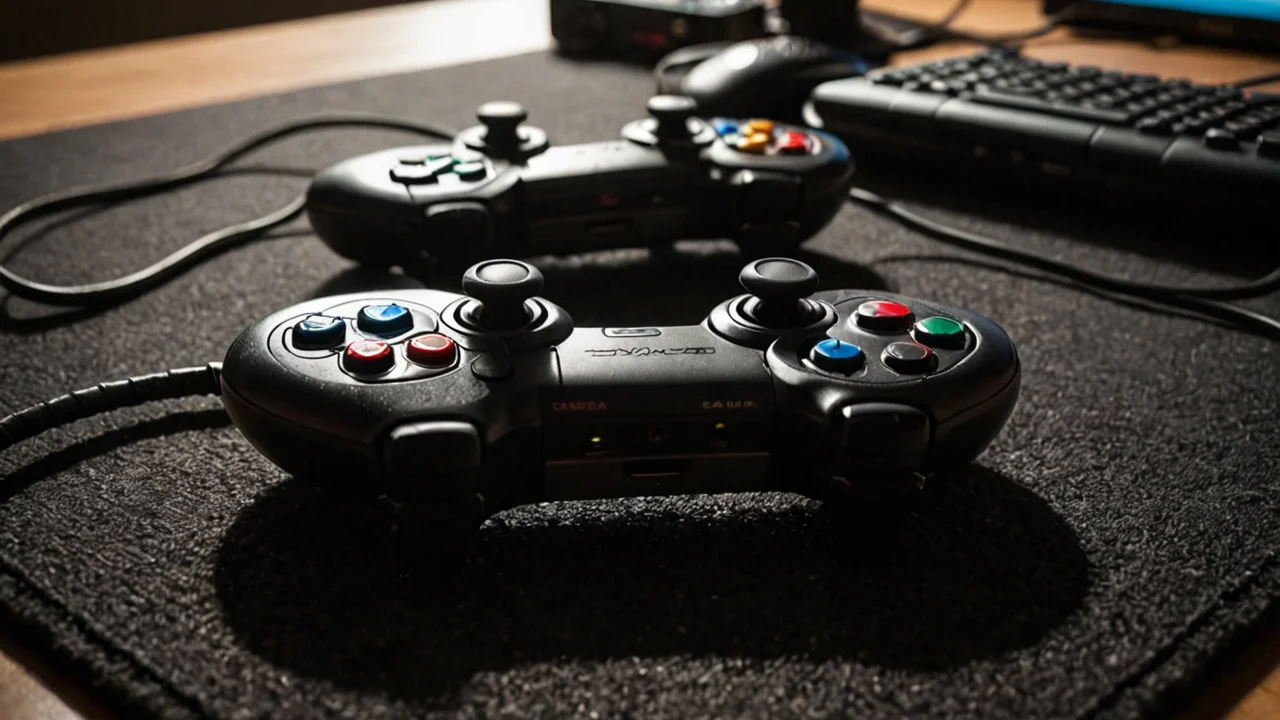
Buy for the session you actually have, not the one you imagine. If you play in forty-minute blocks after work, a game that requires a two-hour commitment per match will sit unplayed, and the money is gone. If you play with other people in the same room, a shared screen and enough controllers matters more than resolution. If you play alone and late, headphones and a comfortable chair will change your experience more than any component inside the machine.
The order of spending that holds up: the game first, then the input device that game is designed around, then the display, then everything else. A good controller on an average screen beats a great screen with a controller that fits badly. For anything competitive, the input device is the thing your hands touch for hours — it is the last place to economize. For anything narrative, the display and the chair matter more, because you are sitting still and reading the screen for long stretches.
Two costs people underestimate. The first is storage and updates: modern games are large, and a machine that was adequate when you bought it will spend more and more time downloading. The second is the cost of switching — every new game is a new set of rules, and if you spread your time across five games you will be mediocre at all of them and improving at none. The most common version of this mistake is a library of unplayed purchases bought on sale. Buying fewer games and finishing them is both cheaper and more satisfying, and it is the single change that turns gaming from a queue of obligations back into a hobby.
The through-line across all three experiences is the same: decide what you want from the session before you start it. A game you play to relax, a stream you watch to unwind, and a ladder you climb to improve are three different activities with three different costs, and the people who enjoy gaming longest are the ones who keep them separate.
Who is actually in a Twitch chat with you
The minimum age to have a Twitch account and stream is 13 years, and that number sets the floor for the room, not the average. A stream's chat skews toward whoever the streamer attracts, which is why the same platform produces channels that feel like a quiet hobbyist's living room and channels that feel like a school corridor. Before you invest evenings in a community, watch the chat for ten minutes without typing: if the regulars talk to each other and the streamer answers them by name, it is a room; if the chat is a wall of repeated emotes, you are watching a crowd.
The trade-off is time. Lurking costs nothing and teaches you the norms; jumping in early on a small channel gets you noticed and remembered, which is worth more than it sounds if you later want to stream yourself, because your first viewers are almost always people you already talk to elsewhere on the platform.
When the three hobbies start eating each other
The failure mode nobody warns you about is substitution: watching replaces playing, and playing replaces sleeping. It happens gradually and it is easy to spot in hindsight — you open a stream to decide whether to buy a game, and you are still there an hour later having not touched your own library. Spectating is the cheapest of the three experiences, which is exactly why it expands to fill whatever time you give it.
Competing is the one that leaks hardest into the rest. A ladder session that ends badly follows you into the next day, and a tournament schedule turns evenings into appointments. If you notice you are watching streams of the game you just lost at, that is the signal to close the tab and do something else. The three hobbies are only separate if you keep them separate.